2025Research Papers
The Cartography of Erasure: Archiving Sound and Mobility in Genocide
Archive Stories
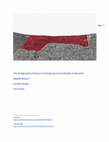
This essay examines the cartographic practices of settler-colonial regimes, focusing on the ways in which mapping is deployed as a tool of erasure, domination, and spatial restructuring. Through critical analysis of historical and contemporary cartographic techniques, the study interrogates how maps not only represent space but actively participate in its reconfiguration by obscuring indigenous presence, reconfiguring territorial boundaries, and legitimizing colonial control. Drawing on interdisciplinary perspectives from geography, history, and critical cartography, the essay argues that cartography serves as both an instrument of erasure and a site of contestation.